









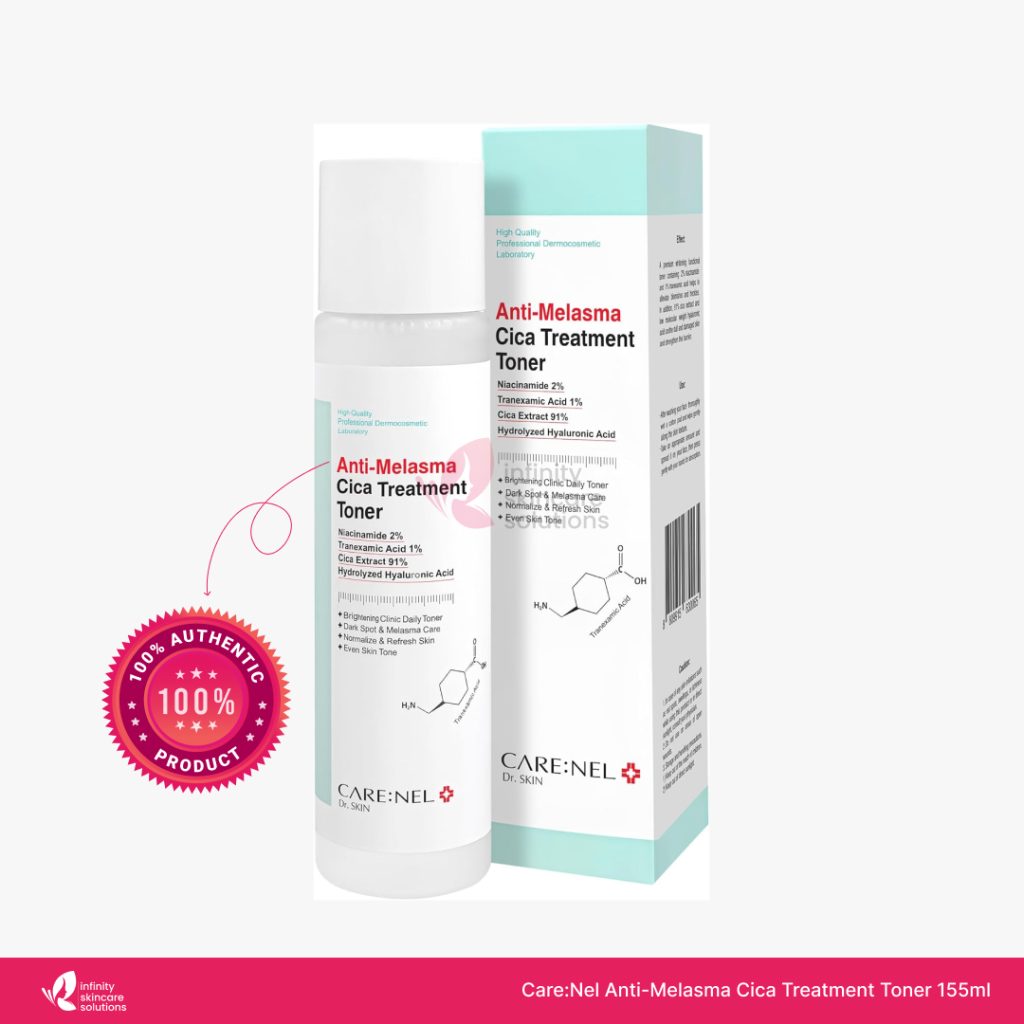
Care:Nel Anti-Melasma Cica Treatment Toner 155ml

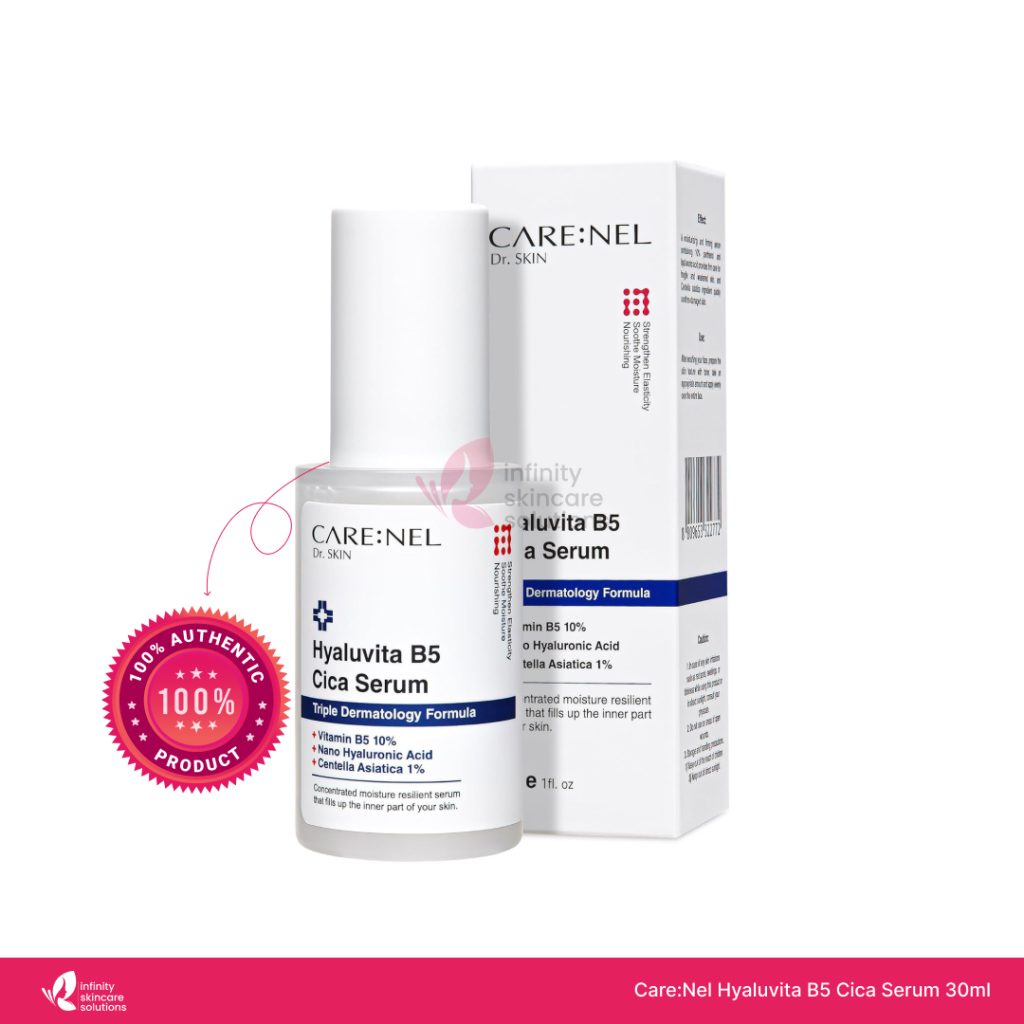
Care:Nel Hyaluvita B5 Cica Serum 30ml

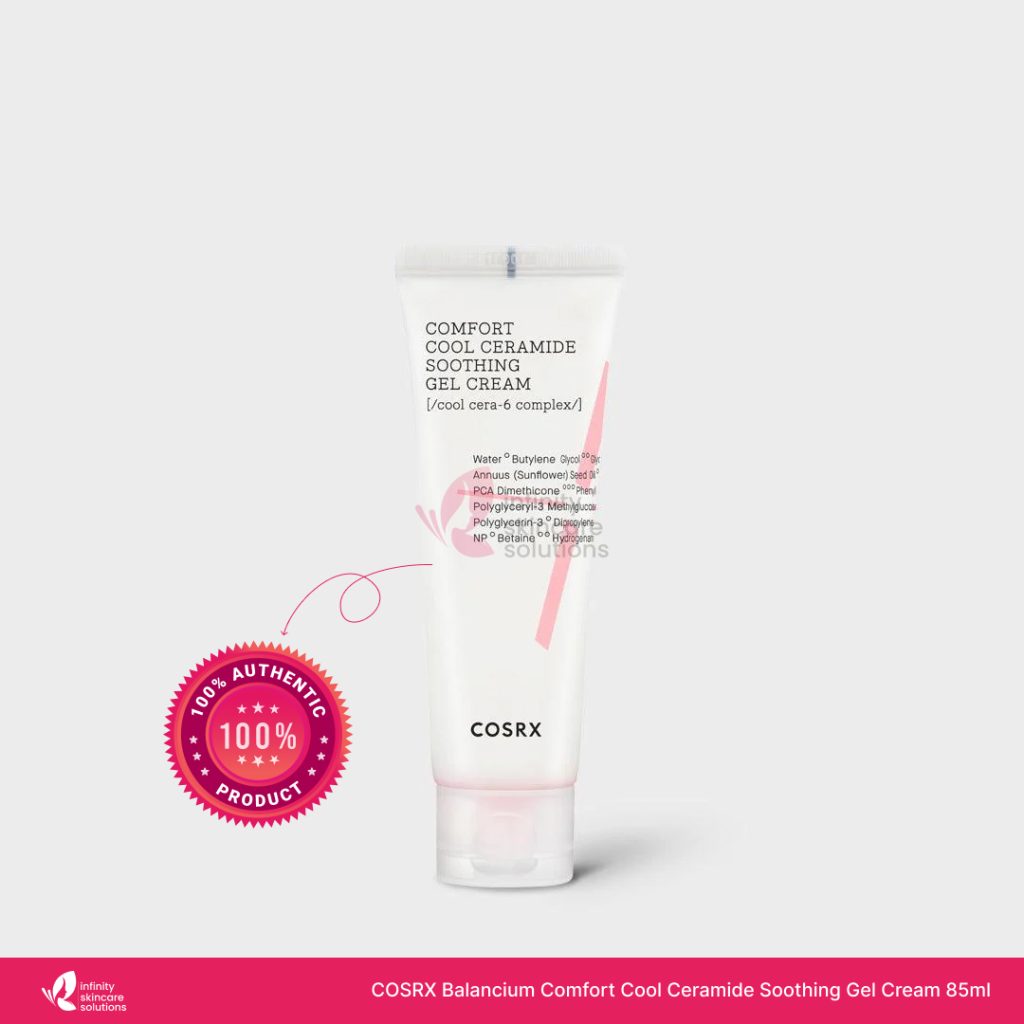
COSRX Balancium Comfort Cool Ceramide Soothing Gel Cream 85ml

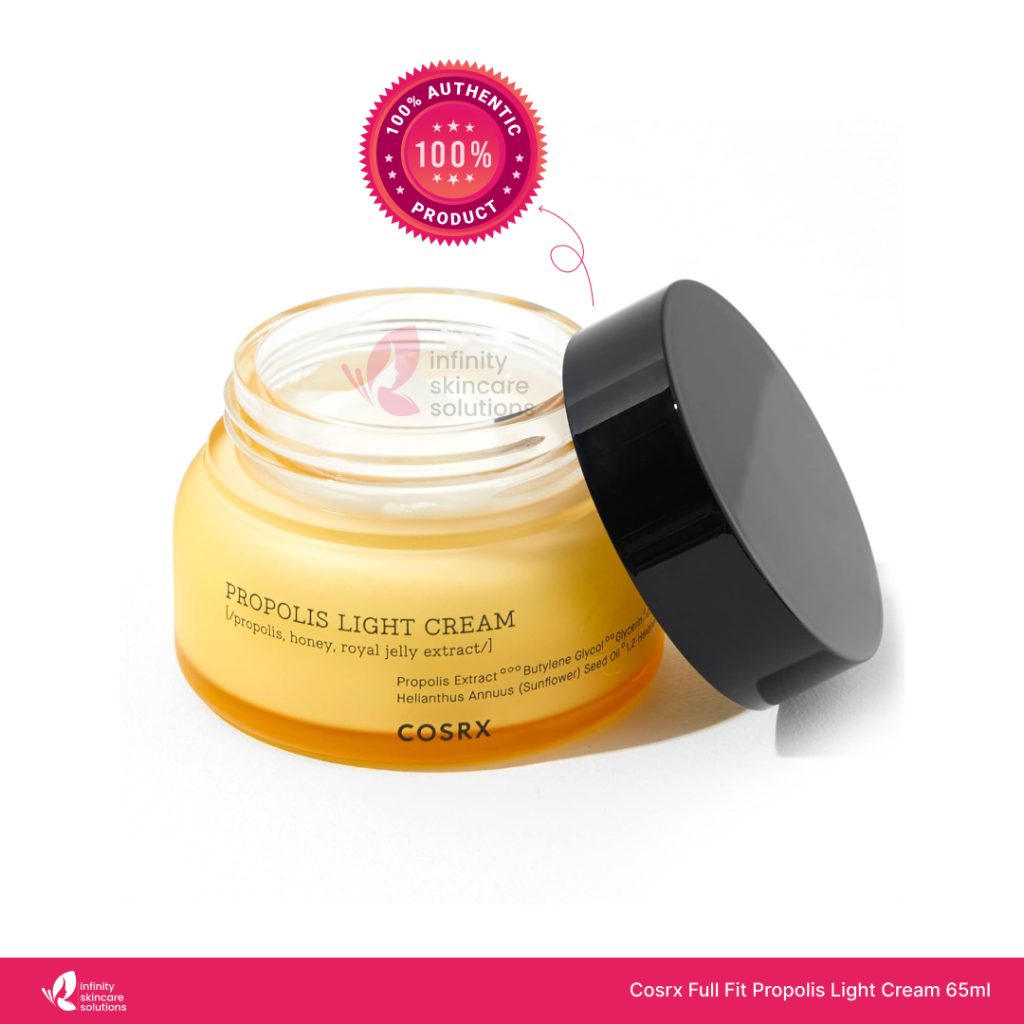
Cosrx Full Fit Propolis Light Cream 65ml

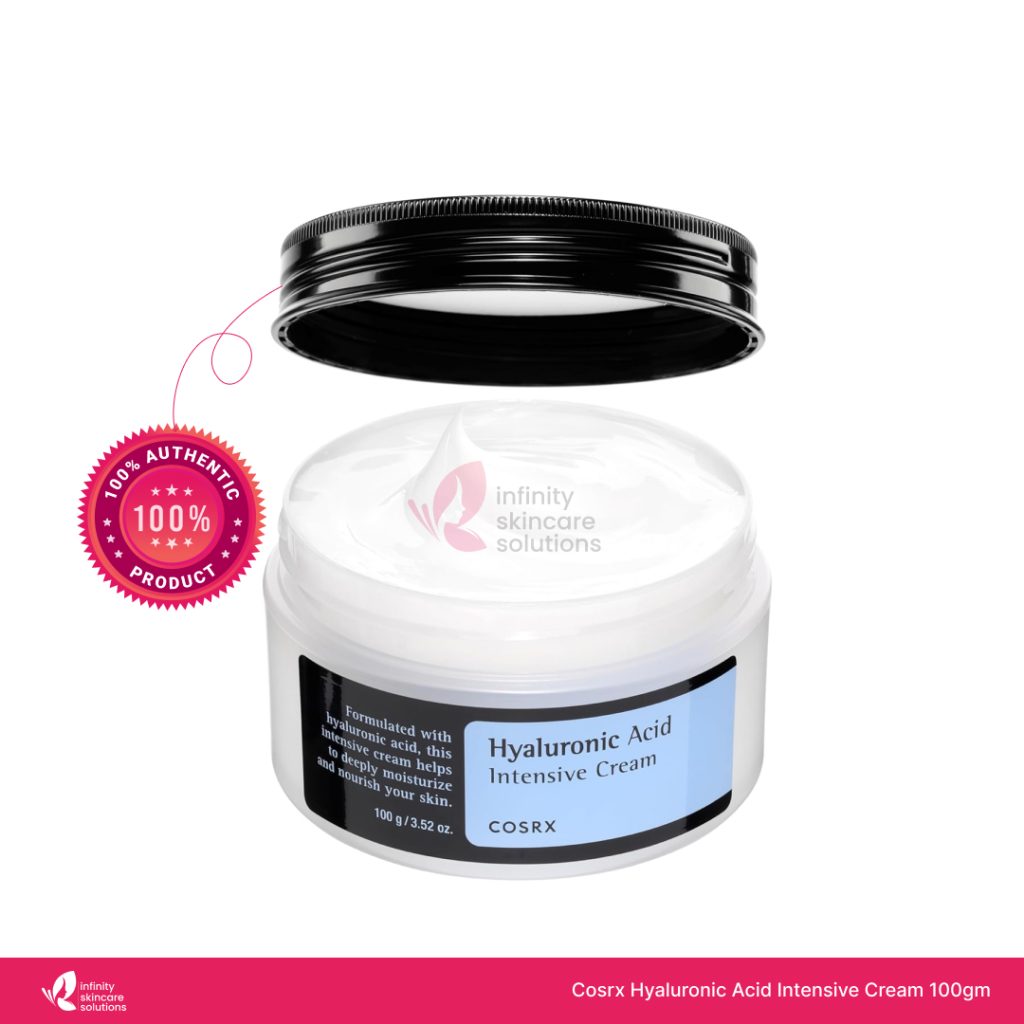
COSRX Hyaluronic Acid Intensive Cream – 100gm


Dr. Althea Skin Relief Essence 30ml


Medicube Collagen Night Wrapping Mask 75ml
Barrier Damage – Causes, Symptoms, Treatment & Skincare Guide
A healthy skin barrier is your skin’s first line of defense—protecting it from environmental aggressors, locking in hydration, and preventing sensitivity. But when this barrier becomes compromised, your skin can become dry, red, irritated, and prone to breakouts. Understanding the root causes of barrier damage and how to heal it is essential for long-term skin health.
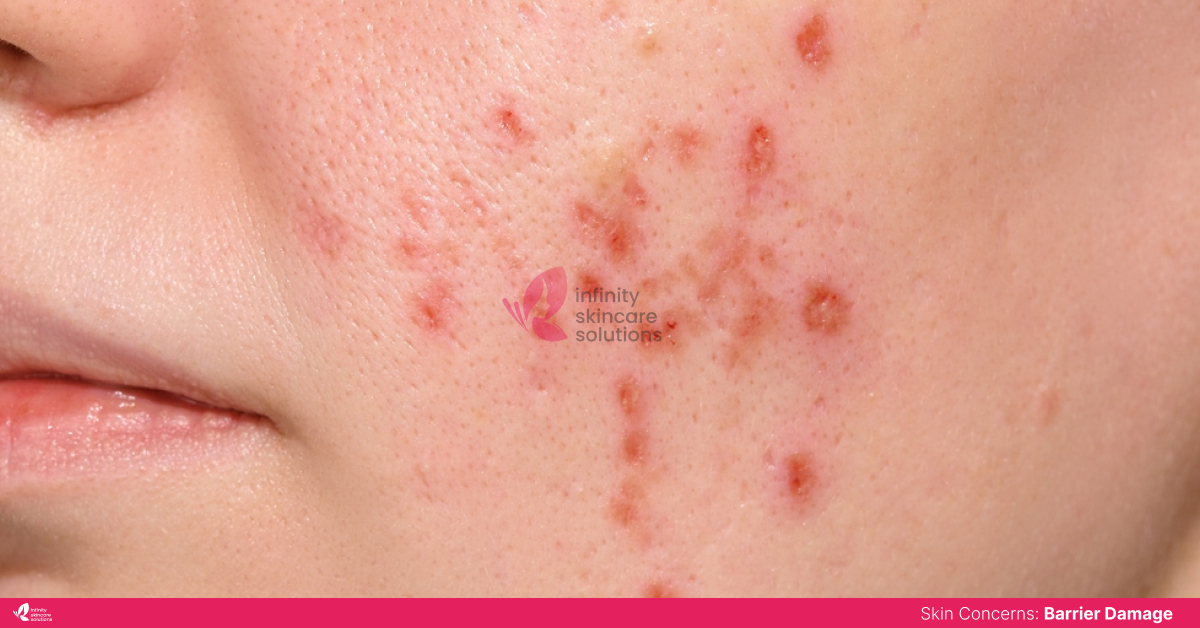
What is Skin Barrier Damage?
Your skin barrier (or stratum corneum) is the outermost layer of your skin that acts as a shield against pollution, bacteria, UV rays, and moisture loss. It consists of skin cells held together by lipids (like ceramides, cholesterol, and fatty acids) and keeps the skin hydrated, firm, and resilient. When this barrier is damaged, skin becomes more vulnerable, reactive, and inflamed.
Causes of Skin Barrier Damage
Barrier damage can occur due to both external and internal factors:
- Over-exfoliation with AHAs/BHAs or harsh scrubs
- Using strong actives (like retinol or high pH cleansers) without balance
- Cold, dry weather or strong winds
- Over-cleansing or hot water use
- Using too many products at once (layering without guidance)
- Lack of sleep, poor diet, or high stress
- Allergic reactions or compromised immunity
Signs & Symptoms of a Damaged Skin Barrier
Recognizing the signs of barrier dysfunction early can help prevent long-term skin issues:
- Redness and inflammation
- Dry, flaky, or tight skin
- Increased sensitivity or stinging when applying products
- Breakouts or bumps that won’t go away
- Skin that feels rough, itchy, or irritated
- Dehydration despite moisturizing
How to Repair a Damaged Skin Barrier
Restoring your barrier takes time and gentle care. Here’s what to focus on:
✅ Step 1: Simplify Your Routine
Cut out all strong actives (retinoids, AHAs, BHAs, Vitamin C) and focus on gentle, soothing products.
✅ Step 2: Use Barrier-Strengthening Ingredients
Look for products with:
- Ceramides – replenish lipids and seal moisture
- Centella Asiatica – calms inflammation
- Panthenol (Pro-Vitamin B5) – hydrates and repairs
- Niacinamide (low %) – improves resilience and reduces sensitivity
- Hyaluronic Acid – plumps and rehydrates
- Squalane – mimics skin’s natural oil
- Madecassoside – promotes healing
✅ Step 3: Moisturize More Frequently
Use an occlusive or rich moisturizer, especially at night, to lock in hydration.
✅ Step 4: Avoid Harsh Ingredients
Say no to alcohol-based toners, exfoliants, essential oils, and strong fragrances until your skin calms.
✅ Step 5: SPF Daily
A damaged barrier is more prone to UV damage. Apply a soothing broad-spectrum sunscreen every morning, even indoors.
Best Skincare Routine for Barrier Repair
🌤 Morning Routine:
- Gentle hydrating cleanser (pH-balanced)
- Soothing toner or essence (with Centella or Panthenol)
- Barrier-repairing serum (Niacinamide or Ceramides)
- Rich moisturizer
- SPF 50+ sunscreen
🌙 Night Routine:
- Mild cleanser
- Barrier serum or ampoule
- Moisturizer or sleeping mask (look for Ceramide-based creams)
Frequently Asked Questions About Barrier Damage
1. How long does it take to repair a damaged skin barrier?
It depends on the level of damage. Minor irritation can heal in a few days with proper care, but deeper barrier damage might take 2–4 weeks of consistent use of barrier-supporting skincare.
2. Can I still use actives like AHA/BHA or retinol with barrier damage?
No. It’s recommended to pause all actives during barrier repair. Once your skin is healthy again, slowly reintroduce actives one at a time, starting with low concentrations.
3. Is barrier damage the same as sensitive skin?
Not exactly. Sensitive skin is a skin type you’re born with, while barrier damage is a temporary condition. However, damaged skin may behave like sensitive skin until it’s healed.
4. What ingredients should I avoid when my skin barrier is damaged?
Avoid ingredients like alcohol, essential oils, fragrance, exfoliating acids, and high-concentration actives (retinoids, strong Vitamin C, etc.). Stick to gentle, nourishing formulas.
5. How do I know my barrier is healed?
Your skin will feel calm, hydrated, plump, and won’t sting when applying skincare. Redness, irritation, and dryness should reduce significantly. That’s when you can gradually return to your full routine.